Garage Door Maintenance: Year-Round Care Tips
By Precision Garage Door Service Editorial Team · Updated 2026-08-03
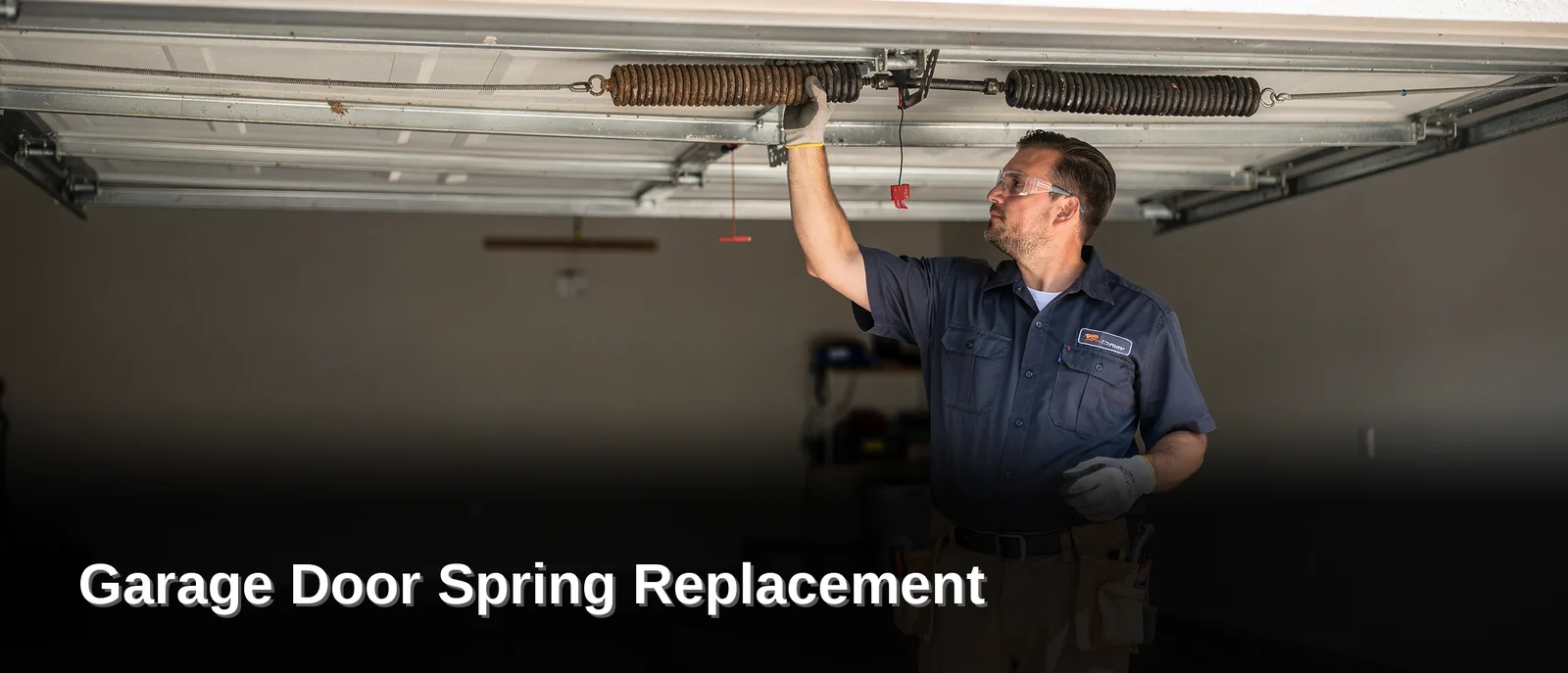
Year-round garage door maintenance requires monthly visual inspections, lubricating rollers and hinges every three months, and testing balance and auto-reverse safety features twice yearly. Precision Garage Door Service recommends professional tune-ups annually to catch worn springs, loose hardware, or misaligned tracks before they cause costly breakdowns or safety hazards.
Homeowners should follow a maintenance routine that includes lubricating rollers, testing photo sensors, and inspecting hardware monthly, but should avoid DIY adjustments to the torsion spring, which requires a trained technician. Precision Garage Door Service, located in Fresno, CA 93703, offers professional inspections year-round.
To maintain garage door year-round, homeowners should give seasonal attention to springs, tracks, rollers, and the automatic opener’s frequency settings. Homeowners should learn how to lubricate garage door moving parts, inspect cables for fraying, test balance monthly, and schedule a professional inspection with Precision Garage Door Service annually to catch wear before it causes costly breakdowns or safety hazards.
Key Takeaways
- Regular garage door maintenance keeps the opener functioning smoothly and prevents costly repairs throughout the year.
- Inspect and lubricate garage door components every 3 months to ensure optimal performance and longevity.
- Contact Precision Garage Door Service at their Fresno, CA 93703 location for professional maintenance services.
- Routine upkeep tasks take minimal time but significantly extend your garage door’s operational lifespan and safety.
What Tools and Prep Steps Come First?
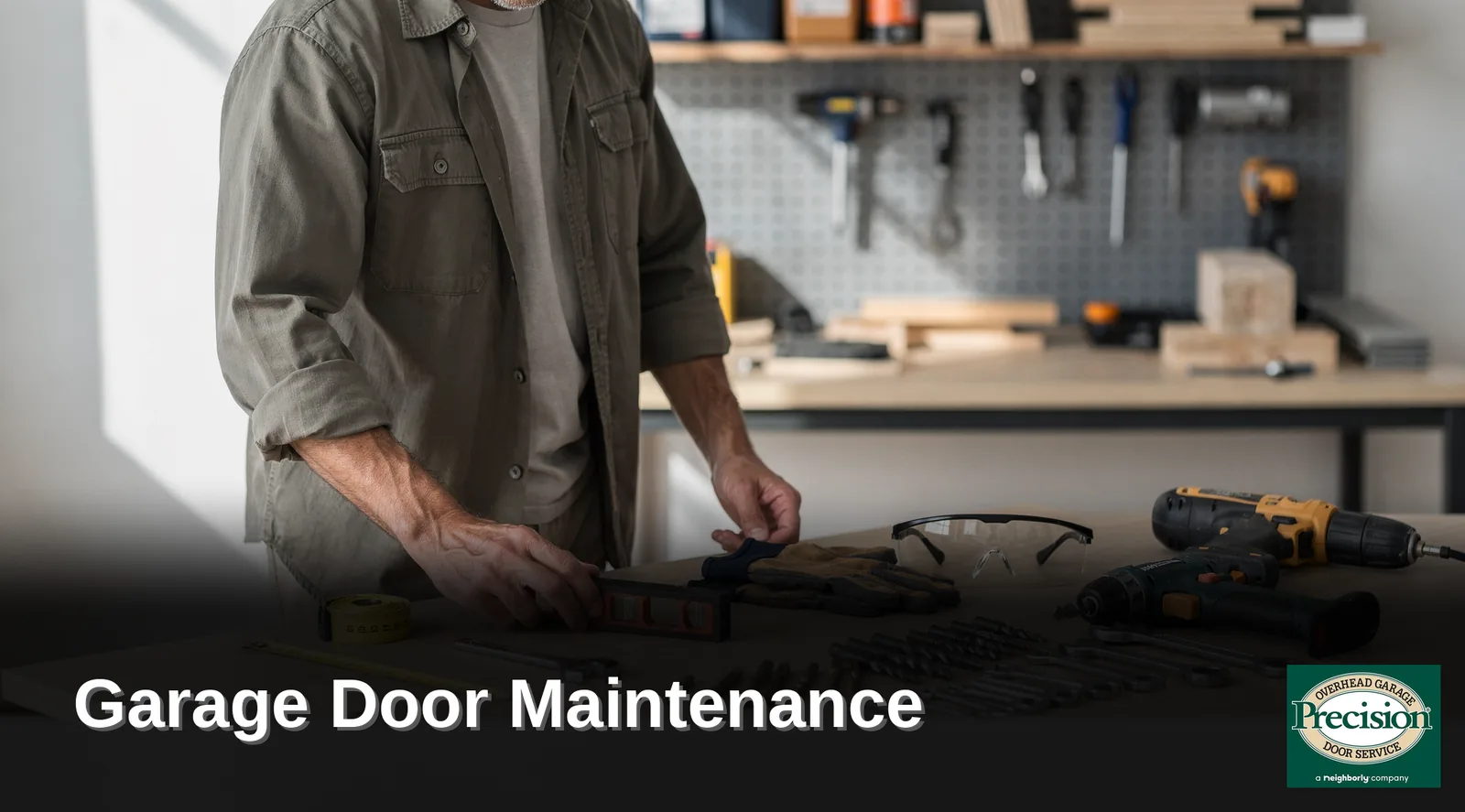
Three items make up the essential toolkit: a 2×4 wooden board, silicone-based lubricant, and a cloth rag. Homeowners who gather these supplies before starting avoid mid-task delays and half-finished inspections. Proper garage door maintenance starts with preparation, not improvisation.
What tools does a homeowner need before starting?
- Set the 2×4 wooden board aside as a safety prop for testing the door’s balance.
- Keep silicone-based lubricant on hand for moving parts like rollers and hinges.
- Use the cloth rag to wipe down tracks, sensors, and hardware before inspecting them.
Are there parts a homeowner should never touch?
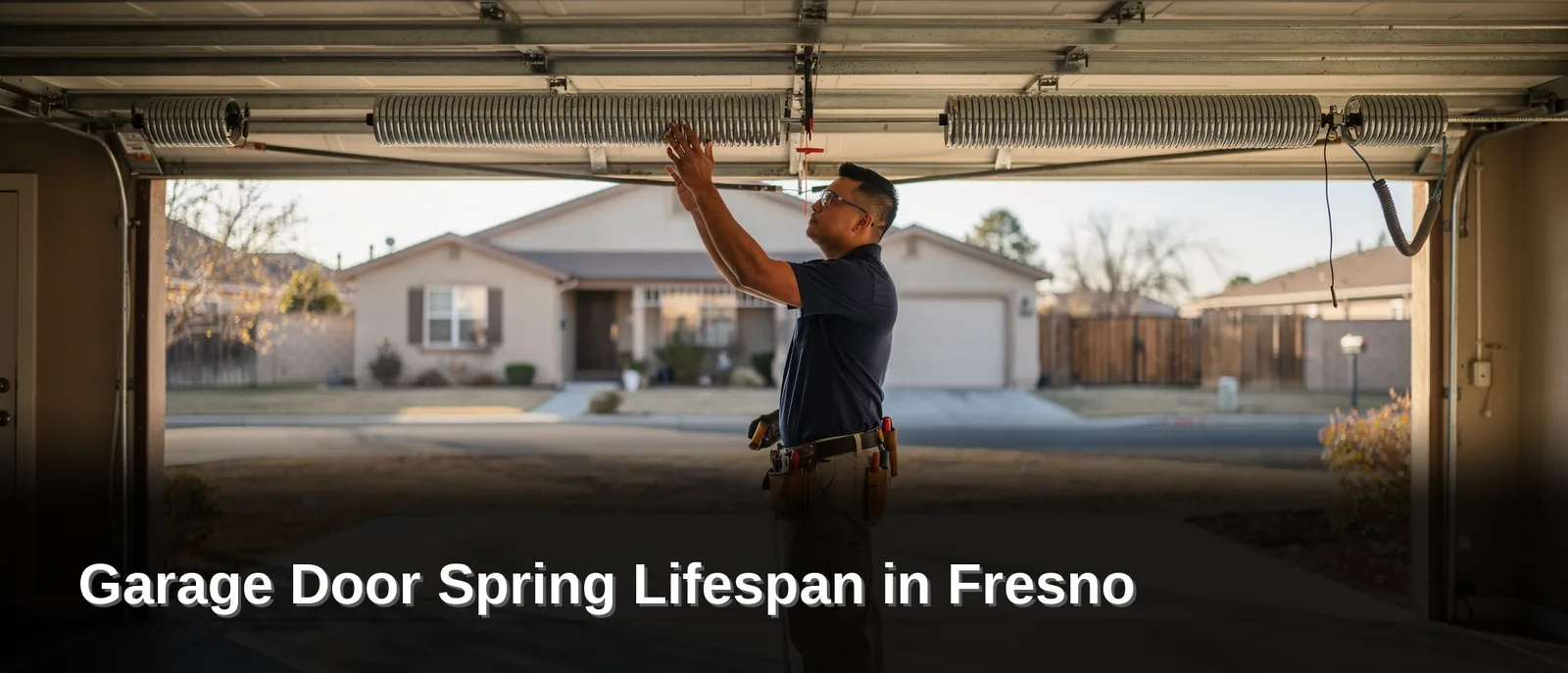
Yes. The torsion spring mounted above the door carries extreme tension and should never be adjusted without training. Any bolt painted red signals the same warning: leave it to a certified technician.
Once a checklist reveals worn cable, a stuck spring, or misaligned track, calling in help protects both safety and budget. Precision Garage Door Service, based in Fresno, CA, provides a written, signed estimate explaining every repair before work begins, giving homeowners clarity beyond the DIY stage. cite-1
What Are the Core Maintenance Steps to Follow?
Five concrete steps make up a reliable garage door maintenance checklist for homeowners who want to avoid surprise breakdowns. Skipping these checks risks a stuck door, a costly service call, or a safety hazard for anyone near the track when the door closes.
Step 1: Locate the photo sensors. Two sensors sit at opposite ends near the bottom of the door track. Find both before cleaning begins.
Step 2: Wipe the sensors clean. Use a soft cloth rag to wipe down each sensor lens. Dust and grime block the sensor signal, which can prevent the safety-reverse feature from working correctly.
Step 3: Test the reverse function. Start the door’s close cycle and let it slide toward the ground. Wave a 2×4 board across the sensor path as the door nears the floor.
Step 4: Confirm proper reversal. A functioning door reverses immediately once the board breaks the sensor beam. If the door keeps closing, the safety system needs professional attention right away.
Step 5: Schedule a professional tune-up when problems surface. Homeowners who find worn parts, misaligned tracks, or unresponsive sensors during a garage door safety inspection should call in trained help rather than force a fix.
How Often Should Sensors Be Tested?
Testing the sensor reverse function belongs in every monthly maintenance routine, not just an annual check. Frequent use wears down alignment and lens clarity faster than most homeowners expect. A quick monthly test with the 2×4 board catches problems before they become safety incidents.
What Happens If DIY Checks Reveal a Bigger Issue?
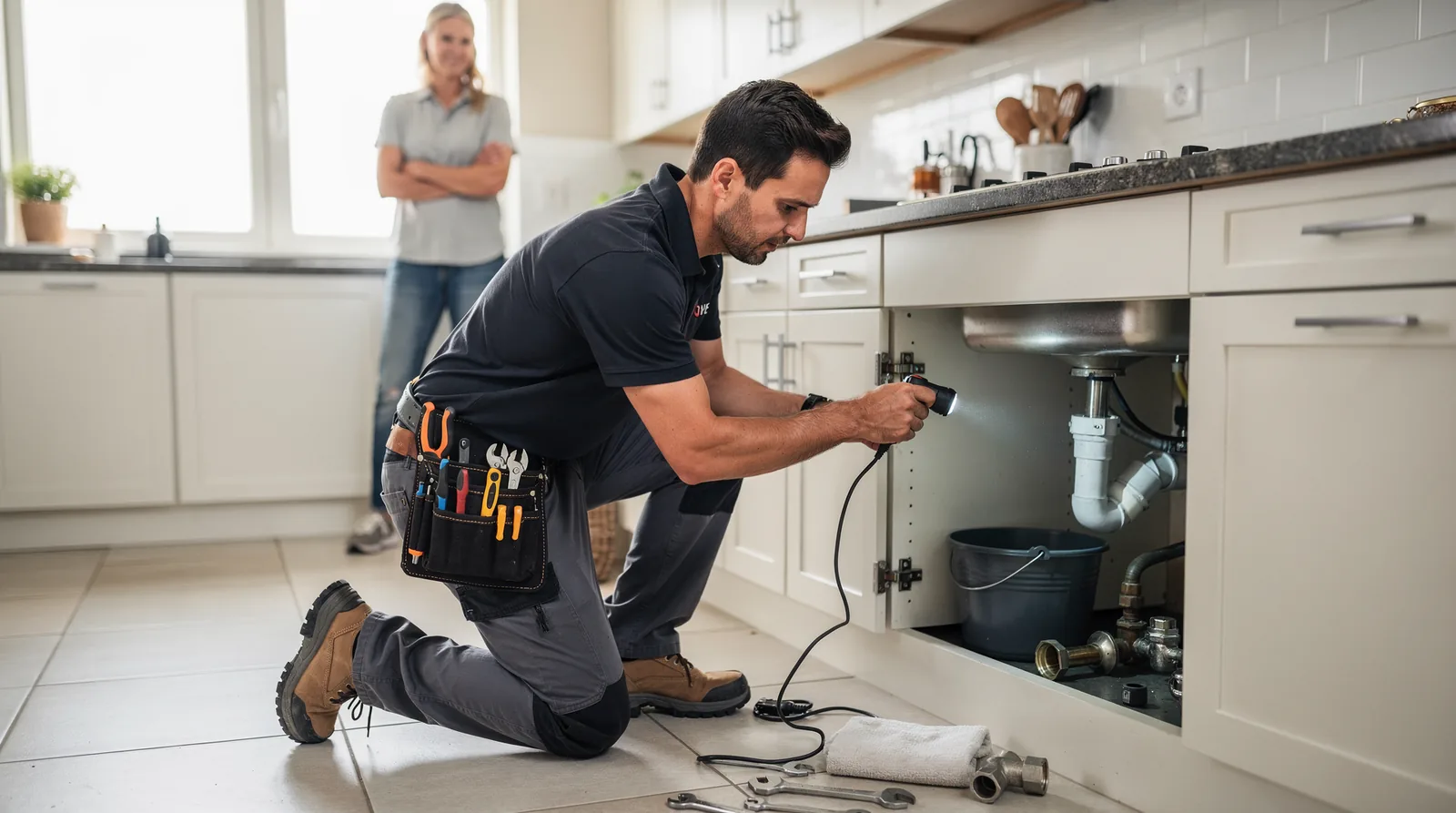
Certified technicians at Precision Garage Door Service handle repair needs ranging from minor adjustments to full system fixes once a routine check turns up trouble. cite-2 Technicians arrive in fully stocked vehicles built to complete the job correctly on the first visit. Same-day service, backed by a written estimate, means a routine garage door tune-up rarely requires a long wait. cite-1
When Should You Call a Professional Technician?
Certain warning signs found during a garage door safety inspection call for a certified technician, not a weekend fix. A door that grinds, sticks, or reverses unexpectedly signals a mechanical problem beyond routine upkeep. Left unresolved, a malfunctioning door compromises home security and puts the household at risk.
Some repairs simply fall outside DIY territory. Frequency settings on a garage door opener, for example, cannot be adjusted by homeowners because that control lives inside the motor unit’s logic board. Attempting to override it risks further damage.
What if a homeowner isn’t sure whether a repair is needed?
Precision Garage Door Service offers a free consultation for homeowners uncertain whether a noise, delay, or safety concern requires professional attention. cite-2 A technician can evaluate the door and recommend next steps before small issues become costly ones.
Is help available outside normal business hours?
Yes. Precision Garage Door Service operates evenings and weekends at no extra charge, available 8 a.m. to 8 p.m., seven days a week, including holidays. Homeowners who discover a problem during a DIY check don’t have to wait until Monday for a fix.
FAQ
How often should homeowners inspect and lubricate garage door components?
Homeowners should inspect and lubricate garage door components every 3 months, checking rollers, hinges, cables, and hardware for wear. Monthly balance tests and photo sensor checks also catch problems early.
What tools does a homeowner need before starting maintenance?
Gather a 2×4 wooden board, silicone-based lubricant, and a cloth rag before starting. The board tests door balance, the lubricant treats moving parts, and the rag cleans tracks and sensors.
Which garage door parts should homeowners avoid adjusting themselves?
Never adjust the torsion spring mounted above the door or any bolt painted red. Contact Precision Garage Door Service at their Fresno, CA 93703 location for professional inspection and repair.
Facts
- Precision Garage Door Service is located in Fresno, CA 93703, US.