How Fresno Heat Affects Garage Doors
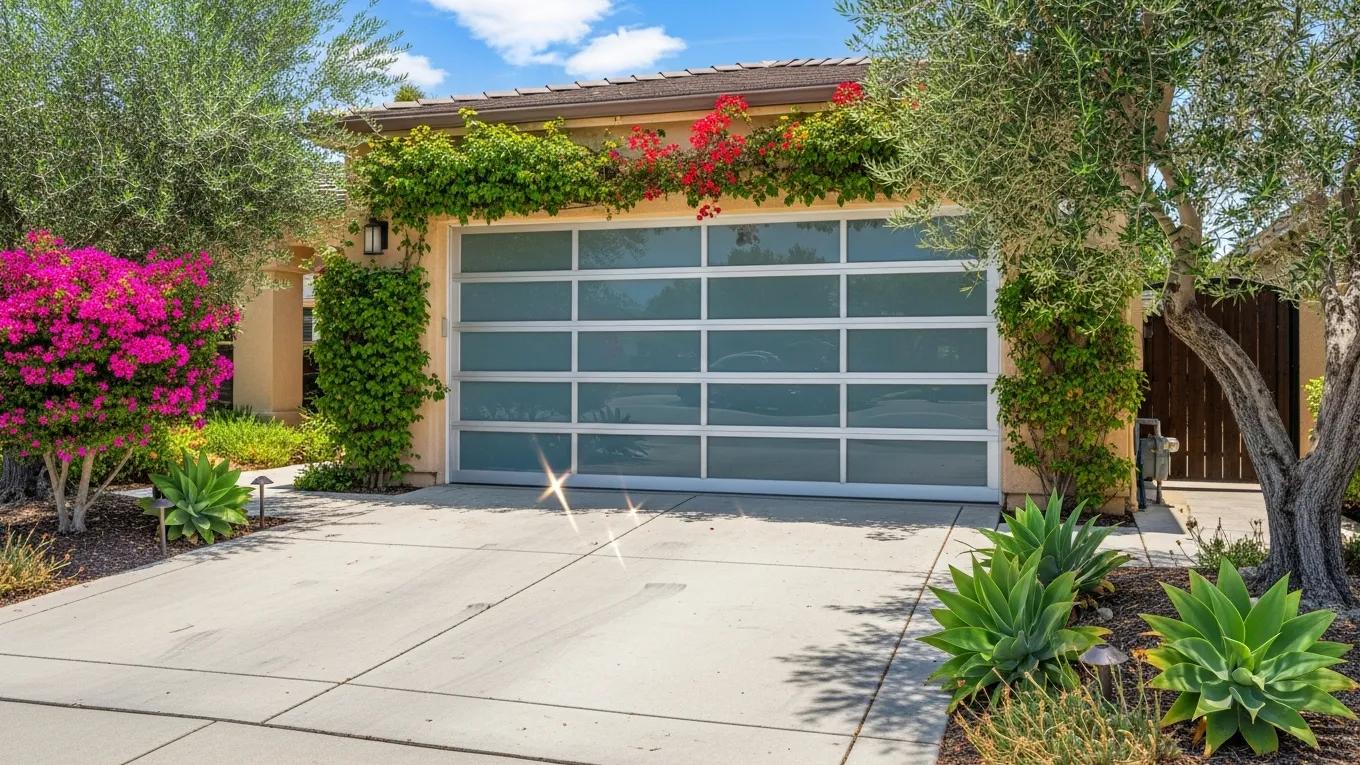
How Fresno Heat Affects Garage Doors: Identifying Damage and Repair Solutions
The intense heat of Fresno’s summers can significantly impact garage doors, leading to various forms of damage. Understanding how high temperatures affect garage door materials helps homeowners take preventive measures to ensure longevity and functionality. This article will explore the causes of heat damage, how thermal expansion can warp doors, the materials best suited for hot climates, and maintenance practices to maintain garage door integrity during summer months. With the right knowledge, homeowners can mitigate the adverse effects of heat on these essential structures. For comprehensive solutions, explore services at Precision Garage Door Fresno.
What Causes Garage Door Heat Damage in Fresno’s Climate?
Fresno’s climate poses unique challenges for garage doors due to its high temperatures and dry conditions. With excessive heat, materials expand, leading to various forms of damage. Thermal expansion causes metal components to stretch and, over time, can contribute to warping. Additionally, garage doors made from materials that are not heat resistant may suffer immediate wear and tear. Dry air can exacerbate these effects, especially for wooden doors that may crack or dry out. By understanding these factors, homeowners can choose appropriate materials and strategies to protect their garage doors.
How Does Thermal Expansion Lead to Garage Door Warping?
Thermal expansion is the tendency of materials to change in shape or volume with temperature changes. In high temperatures, metal and other materials expand, which can lead to significant structural issues, including warping. Wooden doors can swell, creating pressure on the frame, which may result in misalignment. Metal doors may buckle under extreme heat. Understanding the mechanisms behind thermal expansion practicalizes the need for heat-resistant materials and components, minimizing the risks associated with heat-induced warping.
Which Garage Door Components Are Most Vulnerable to Heat?
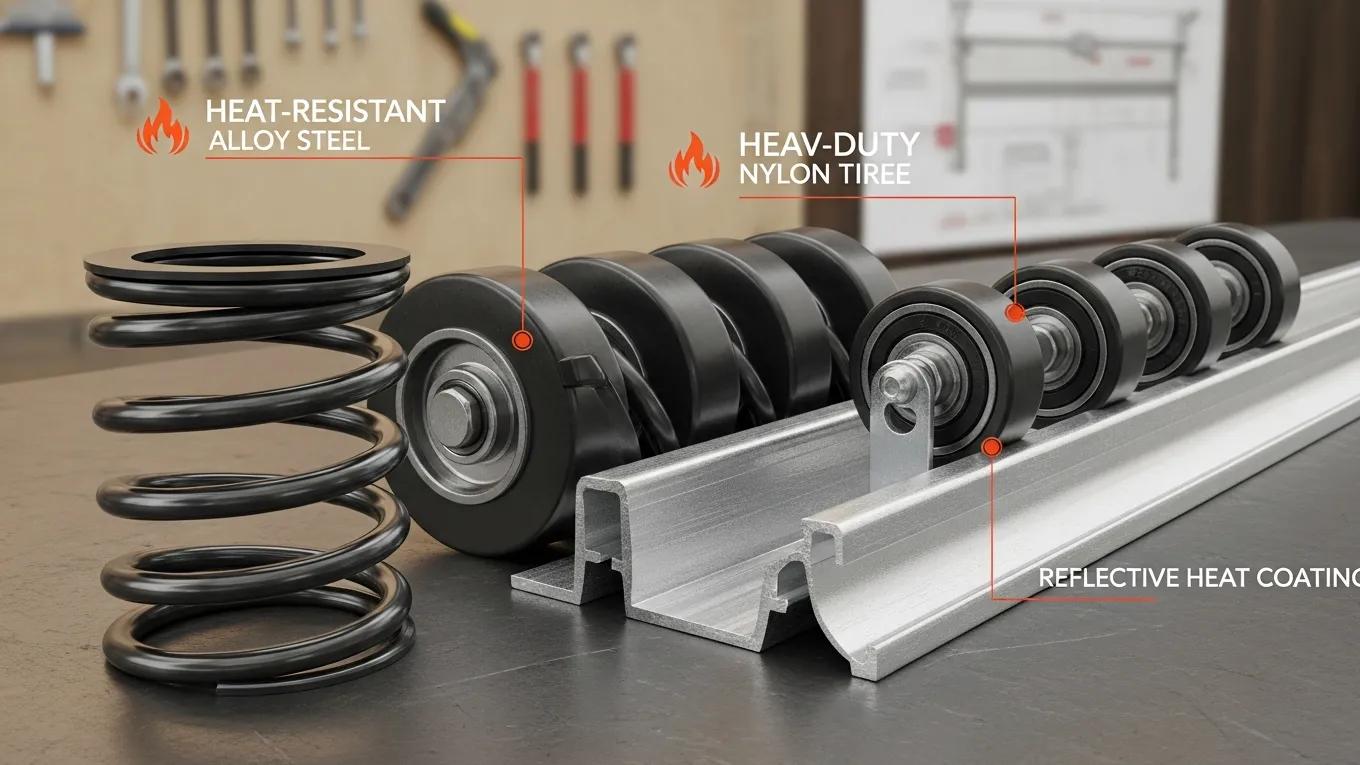
Certain components of garage doors are particularly susceptible to heat damage. Key parts include:
- Springs: These are critical for the operation but can lose tension or break when exposed to excessive heat.
- Rollers: Heat can degrade roller material, leading to operational issues and premature wear.
- Tracks: Misalignment caused by warping can result from heat-inflicted damage on the door structure.
By recognizing these vulnerable components, homeowners can focus on regular maintenance and timely repairs to prolong the life of their garage doors.
Which Heat-Resistant Materials Are Best for Garage Doors in Hot Climates?
Choosing the right material is essential in combating the heat damage associated with Fresno summers. Options include:
- Steel: Insulated steel doors offer excellent durability and can resist warping.
- Aluminum: Lightweight and rust-resistant, aluminum can withstand higher temperatures without suffering severe damage.
- Composite Materials: These doors often have better thermal resistance compared to traditional wood and can sustain their structural integrity longer.
Opting for these materials often results in better long-term value, reducing the frequency of repairs and replacements.
Why Choose Insulated Steel and Composite Garage Doors?
Insulated steel and composite garage doors provide numerous advantages for homeowners in Fresno. They offer:
- Durability: Constructed to withstand extreme weather, these doors are resilient against warping and buckling.
- Energy Efficiency: Their insulation helps maintain garage temperature, protecting vehicles and stored items from heat damage.
- Low Maintenance: These materials require less frequent repairs, thereby saving homeowners time and money.
Opting for insulated doors is a proactive approach to preserving garage performance throughout the year.
What Are the Benefits of Heat-Resistant Garage Door Parts?
Investing in heat-resistant parts enhances overall garage door performance, offering several key benefits:
- Improved Durability: Parts designed to withstand high temperatures generally last longer and perform better.
- Lower Maintenance Needs: With fewer repairs required, homeowners save on time and money.
- Enhanced Energy Efficiency: Heat-resistant components can help maintain garage temperatures, leading to lower cooling costs for adjacent areas of the home.
Exploring heat-resistant options for garage door components can significantly improve longevity and functionality, especially when dealing with garage door parts designed for durability.
How Can Homeowners Maintain Garage Doors During Fresno’s Summertime Heat?
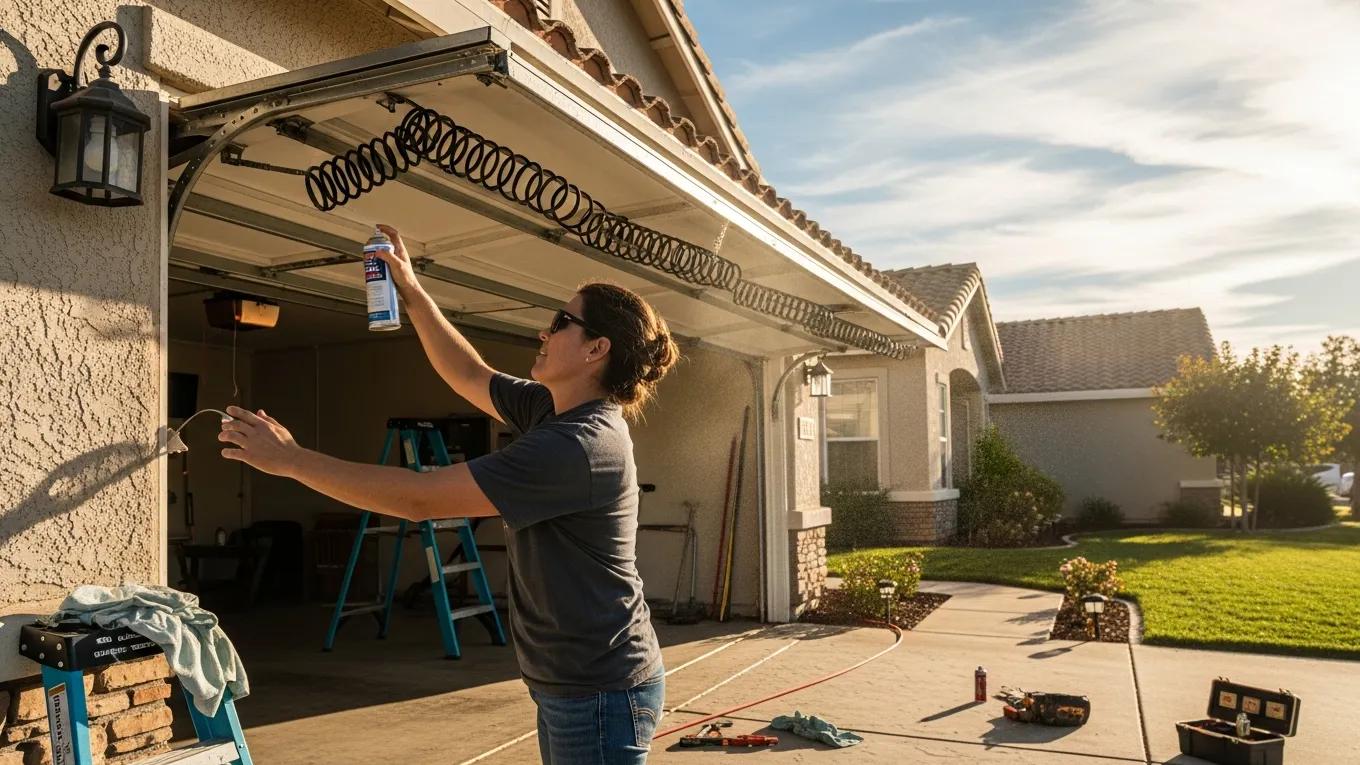
Regular maintenance is vital for ensuring garage doors withstand the extreme heat of Fresno summers. Homeowners can implement several strategies, including:
- Routine Inspections: Checking for wear and performing necessary adjustments ensures functionality.
- Cleaning: Keeping the door tracks and moving parts free of debris prevents operational obstructions.
- Lubrication: Regularly lubricating springs and rollers minimizes friction and reduces wear.
By establishing a routine maintenance plan, homeowners can effectively prolong the lifespan of their garage doors.
What Preventative Maintenance Steps Protect Against Heat Damage?
Preventative maintenance is vital for protecting garage doors from heat damage. Consider these actions:
- Conduct Regular Checks: Schedule inspections to catch potential issues early.
- Lubricate Moving Parts: Ensure that all moving components are well-lubricated to reduce wear.
- Sealant Application: Use appropriate sealants to protect wooden parts from drying out.
Taking these steps can mitigate the heat’s impact, ensuring garage doors remain operable and functional throughout the scorching summer months. For specific part replacements, consider garage door rollers and cables.
How Often Should Garage Doors Be Serviced in Hot Weather?
In hot climates, garage doors should ideally be serviced at least twice a year. However, increased usage and environmental factors may warrant more frequent checks. Homeowners should be vigilant for signs of strain or damage, such as abnormal sounds or difficulties in operation. Addressing potential issues promptly can prevent costly repairs, extending the door’s life.
What Repair Solutions Address Heat-Related Garage Door Problems?
When facing heat-related issues, homeowners must be aware of the available repair solutions:
- Spring Replacement: A broken spring can be replaced quickly by a professional to restore functionality, particularly in heat-induced failures.
- Warping Repairs: In cases of warping, adjustments can be made, or in severe cases, the door may need to be replaced for optimal performance.
Investing in timely repairs not only maintains the door’s functionality but also enhances safety for users.
How Does Broken Spring Repair Resolve Heat-Induced Failures?
Repairing broken springs involves a systematic approach to ensure proper functionality. The process typically includes:
- Inspection: A technician will assess the spring and surrounding components for any signs of wear or damage.
- Replacement: High-quality springs designed to withstand heat are installed to ensure optimum performance.
- Testing: After installation, the door is tested for proper functionality and balance.
Implementing this procedure effectively resolves issues arising from heat-induced failures, restoring the door’s functionality. If you suspect a broken spring, professional broken spring repair is crucial.
When Is Garage Door Warping Repair Necessary?
Recognizing the signs of warping is crucial for garage door maintenance. Symptoms that indicate the need for repair include:
- Visible Deformations: Noticeable warping that affects the door’s appearance or alignment with the tracks.
- Operational Difficulties: If the door struggles to open or close, it likely needs adjustments or repairs.
- Increased Noise: Unusual sounds when operating the door can signal underlying issues that need to be addressed.
In such cases, timely repairs can prevent further damage and maintain the integrity of the garage door system.