Garage doors often produce unusual sounds when environmental conditions affect moving components. Dry climates can create conditions that increase friction between metal parts, leading to squeaking, grinding, or rattling sounds. These noises often develop gradually as lubrication breaks down and components experience additional wear.
Garage door systems rely on several mechanical parts working together smoothly. Rollers, springs, hinges, and tracks all depend on proper lubrication and alignment. When humidity levels drop, metal components may become more prone to friction and movement noise. Without routine maintenance, these sounds can become more noticeable over time.
In this guide, you will learn why garage doors make noise in dry climates and how environmental conditions affect garage door performance. Understanding these causes helps homeowners maintain reliable door operation. Preventive care also helps reduce noise and protect important garage door components.
How Dry Climates Affect Garage Door Components
Dry climates create unique conditions that can influence how garage doors operate. Low humidity levels may reduce the natural moisture that helps metal components move smoothly. When parts lose lubrication or become dry, friction between moving surfaces may increase. This often results in squeaking or grinding sounds during door movement.
Dust and airborne debris are also more common in dry environments, which can cause garage doors to make noise during operation. These particles can settle inside tracks, rollers, and other mechanical areas. Over time, this buildup may affect door alignment and movement. Regular garage door repair helps address issues caused by dust accumulation.
Temperature changes in dry climates can also affect metal components. As temperatures fluctuate between day and night, parts may slightly expand or contract. These small changes may create noise when the door opens or closes. Routine maintenance helps minimize these effects and maintain smooth operation.
Common Garage Door Parts That Cause Noise
Several components inside the garage door system can produce noise when conditions become dry, which is why garage doors make noise. Understanding which parts are responsible helps homeowners identify the source of the sound. Routine inspection and maintenance help prevent noise from becoming a larger mechanical issue.
Rollers and Cables Experiencing Increased Friction
Rollers and cables guide the garage door along the track system during operation. In dry climates, reduced lubrication may increase friction between these components. When rollers become dry or worn, they may produce squeaking or grinding sounds, which is why garage doors make noise. Inspecting rollers and cables helps maintain smooth door movement.
Springs Producing Squeaking Sounds
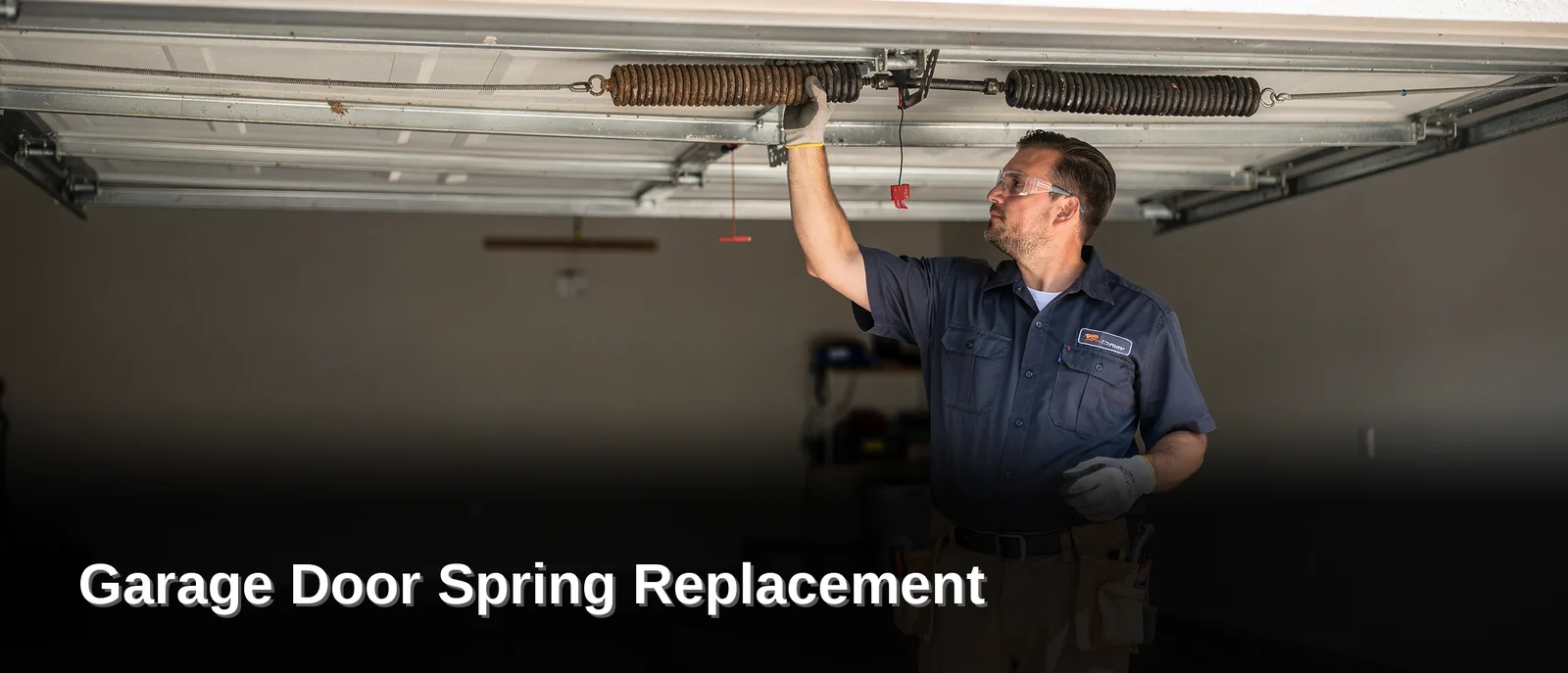
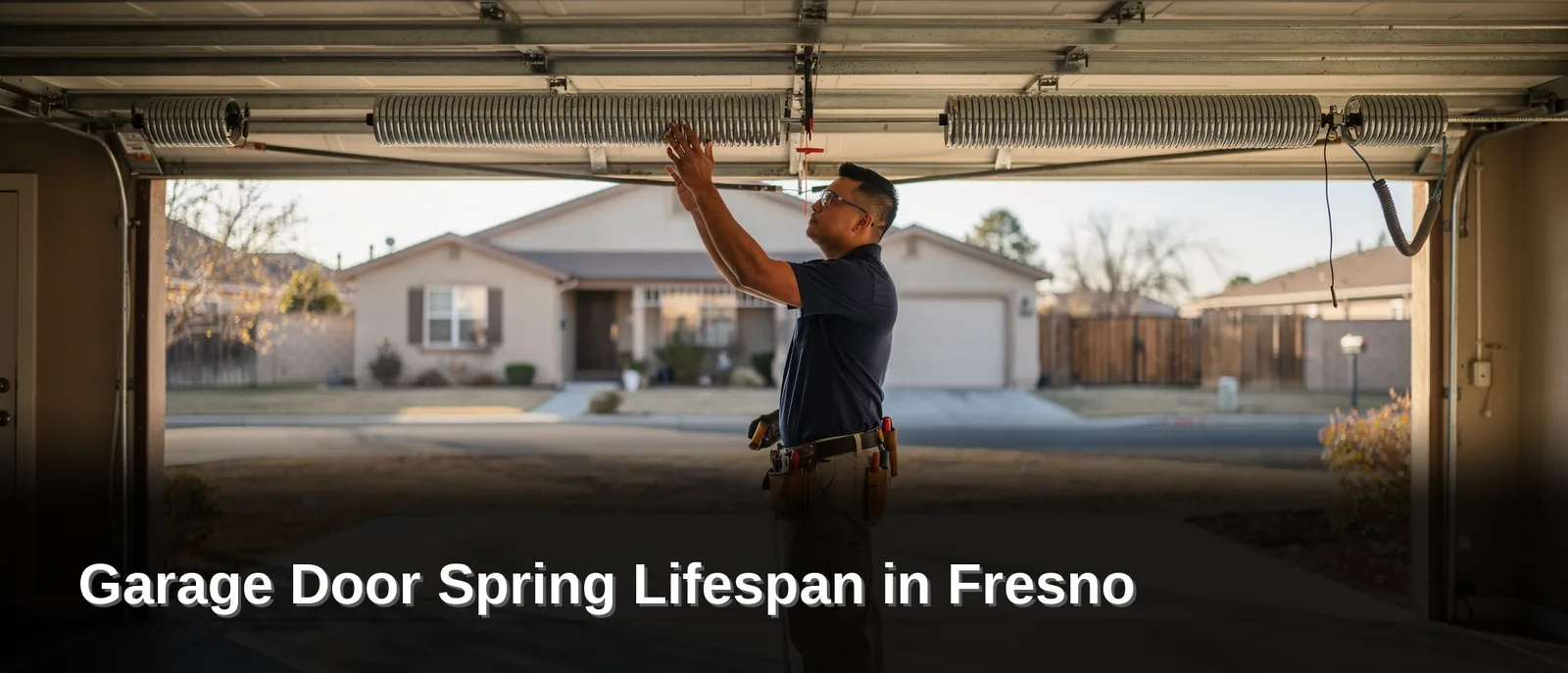
Garage door springs carry the weight of the door during opening and closing cycles. When lubrication breaks down in dry conditions, springs may begin to squeak or creak. These sounds often indicate increased friction between metal coils, which is why garage doors make noise. Identifying broken springs early helps prevent sudden mechanical failure.
Hinges and Hardware Becoming Loose
Garage door hinges allow door panels to bend as the door moves along the track. Dry climates may cause hardware to loosen over time due to vibration and temperature changes. Loose hinges can create rattling sounds during door movement, which is why garage doors make noise. Inspecting parts and accessories helps ensure that hardware remains secure.
Garage Door Tracks Collecting Dust
Garage door tracks guide the rollers during opening and closing cycles. Dust accumulation inside the tracks may cause rollers to move unevenly. This friction can create scraping or grinding sounds, which is why garage doors make noise in dry climates. Cleaning the tracks regularly helps maintain smooth door movement.
Garage Door Openers Working Under Strain
Garage door openers may also produce noise when the system experiences additional strain. If friction increases in other components, the opener motor may work harder. This can cause louder operation during door cycles, which is another reason garage doors make noise. Inspecting garage door openers helps maintain reliable performance.
Lack of Lubrication in Moving Components
Dry climates often accelerate the breakdown of lubricants applied to garage door parts. When lubrication becomes insufficient, friction increases between metal surfaces. This condition may cause squeaking, grinding, or rattling sounds. Routine lubrication helps maintain quiet door operation.
Maintaining these components properly helps protect the entire garage door system. Preventive care also helps maintain safe and reliable door movement. Regular inspections help detect noise-related issues before they become larger mechanical problems.
Warning Signs Your Garage Door Noise Needs Attention
Garage door noise may develop gradually before becoming a serious concern. One common warning sign is a sudden increase in squeaking or grinding sounds. These noises often indicate that components require lubrication or adjustment. Early inspection helps prevent further wear.
Another sign is vibration or rattling during door movement. Loose hardware or worn rollers may cause these sounds to occur. If ignored, the vibration may eventually affect door alignment. Regular maintenance helps prevent these issues.
Unusual motor sounds may also indicate mechanical strain, which is one reason garage doors make noise during operation. When other parts create resistance, the opener motor may become louder. Routine garage door safety inspection helps identify these problems before they worsen.
How Regular Maintenance Reduces Garage Door Noise
Routine maintenance plays an important role in preventing garage door noise in dry climates. Cleaning and lubrication help reduce friction between moving components, which helps reduce the reasons garage doors make noise. Regular inspection also allows technicians to identify worn parts before they cause mechanical problems.
Professional technicians often examine rollers, springs, tracks, and openers during service visits. These inspections help determine whether components require adjustment or replacement. Following a garage door safety checklist also helps homeowners maintain safe door operation.
Some homeowners also consider upgrading to sustainable garage doors designed with stronger materials and improved performance. These doors often operate more quietly and require less maintenance. Modern designs can help reduce noise caused by environmental conditions.
Reduce Garage Door Noise with Professional Service
Garage door noise in dry climates often results from friction or dust buildup, so garage doors make noise more easily. While some sounds may seem minor at first, they can gradually lead to mechanical issues. Identifying the cause early helps maintain safe and reliable garage door operation.
Routine inspections, lubrication, and adjustments help reduce friction between moving parts. Preventive maintenance also helps extend the lifespan of important garage door components. Regular care keeps the door operating smoothly and quietly.
If your garage door has become louder during operation, it may be time for a professional inspection. Homeowners in Fresno can schedule a service appointment to have experienced technicians evaluate the system and restore quiet garage door performance.